

If you’re heading to Cyprus for the history (and honestly, who could blame you?), a little planning will help you make the absolute most of your time. Here’s everything you need to know. The Magic of Cyprus What makes Cyprus special isn’t just the sheer age of everything — it’s the way all the layers of history are still visible. Neolithic, Roman, Byzantine, crusader, Venetian, Ottoman… they all sit together, sometimes literally on top of one another. It’s the kind of place where you feel history under your feet, all around you, and in the stories locals still tell. Plan well, pace yourself, and get ready to explore one of the most extraordinary historical landscapes in the Mediterranean. Choose the Right Base For archaeology lovers: PaphosFor variety: LimassolFor quieter, older sites: LarnacaFor Byzantine art lovers: Troodos villages If you want a bit of all of these then Cyprus is a great place for a Roadtrip – Paphos to Limassol is an hour, Larnaca is another 45 minutes away and Nicosia is only and hour from Limassol. Top Pick Sites To Visit Kato Paphos Archaeological Park: A UNESCO World Heritage site featuring extensive ruins, including the House of Dionysus with its well-preserved mosaics. Tombs of the Kings: A large necropolis dating to the 4th century BCE, featuring underground tombs carved into the rock, once used for high-ranking officials. Sanctuary of Aphrodite at Palaipafos, Kouklia: The remains of a major ancient sanctuary dedicated to the goddess Aphrodite. Paphos Castle: A Byzantine-era fortress that has been rebuilt, located by the Paphos harbor which is a great place to explore. Ancient Kourion, Limassol: a picturesque hill-top location with views to the Mediterranean Sea, consists of ruins from Hellenistic, Roman and early Christian era ruins. Kolossi Castle: A 13th-century Crusader castle located near Limassol, with a history tied to the Knights of St. John and the Knights Templar. Venetian Walls of Nicosia: A 16th-century fortification built by the Venetians to defend the city against the Ottoman army. Cyprus Museum, Nicosia: the big one. Byzantine Museum, Nicosia: icons and mosaics galore. THALASSA Museum, Ayia Napa: maritime history and ship replicas. Must-Do Practical Tips • Visit early or late — midday heat in summer is no joke. • Wear proper shoes — ruins involve hills, rocks, sand, and steps. • Wear respectful clothing —many sites insist on covered shoulders and knees. • Bring water, sunscreen, and a hat — trust me. • Rent a car — public transport won’t get you to most sites. • Download site apps — Kato Paphos has one of the best. • Carry a bit of cash — not every church or small site accepts cards. Timing Your Visits • Check opening days and times before a visit – these can change throughout the year! • 2-3 hours for major sites like Kourion or Kato Paphos. • 30–45 minutes for smaller ruins. • Painted churches: short visits, but long drives — pick a cluster. • Always build in stops for food and drink – particularly in summer heat. Photo Tips • Do not Photograph other people – at least make sure they are not identifiable • Respect the Venue —what are the rules about photos and flash photography? • Do Not touch — never climb on, move or disturb items for your photo • Be quiet and discreet — sites may hold religious meaning or be the site of burials. • Visit at the right time of day — early morning or just before sunset are when the light is best and also when there will be less tourists.

Cyprus for Couples: Your Dreamy Escape to the Island of Love
Imagine standing hand-in-hand with your favourite person as the Mediterranean turns rose-gold and the waves roll in around Aphrodite’s legendary birthplace. Cyprus isn’t just a romantic destination… it’s the Island of Love — and honestly, it feels like the whole place was designed for two. Whether you’re celebrating a honeymoon, anniversary or just craving time away together, Cyprus wraps you in sunshine, scenery and that delicious Mediterranean magic. Why couples fall in love with Cyprus Cyprus is effortless for UK travellers — English everywhere, driving on the left, but with jasmine-scented evenings, turquoise seas and food you’ll dream about long after you fly home. It’s that perfect mix of easy, exotic and utterly enchanting. From hidden coves and dramatic cliffs to mountain villages where time stands still, every corner of the island feels like it’s whispering “slow down… this moment is just for you two. When to visit for maximum romance? Spring (April–June) and Autumn (Sept–Oct) are pure perfection — warm days, quiet beaches, golden light, and incredible value at the island’s most luxurious resorts.Summer is buzzing and hot, winter is peaceful and great for spa retreats — but those shoulder seasons? Perfection The most romantic spots Aphrodite’s Rock – sunsets here feel like the world pauses just for you. Paphos – dreamy harbour dinners, Coral Bay swims, and turtle-nesting beaches on the wild Akamas Peninsula. Cape Greco – dramatic cliffs, sea caves, crystal-clear waters, and the sweetest little chapel perched above the sea. Troodos Mountains – cool pine forests, stone villages, wineries, and fireside tavern dinners. Hidden Beaches – the island has so many hidden coves, step away from the beaten track on a quad bike and explore the tracks to the sea. Experiences made for two ✨ Sunset catamaran cruises✨ Private yacht days to the Blue Lagoon✨ Couples’ massages ✨ Vineyard tours in the golden hills✨ Sea-cave kayaking, snorkelling & gentle hikes✨ Traditional village festivals (think wine, dancing & warm Cypriot hospitality) Romantic dining, Cypriot style Whether it’s a candlelit dinner in an upscale restaurant, a seafood feast by the harbour, or meze at a taverna – Cyprus nails that “just the two of us” atmosphere. Order a bottle of local wine or your favourite cocktail, share all the dishes, and end your evening with sweet Commandaria and zivania by the sea. Pure bliss.
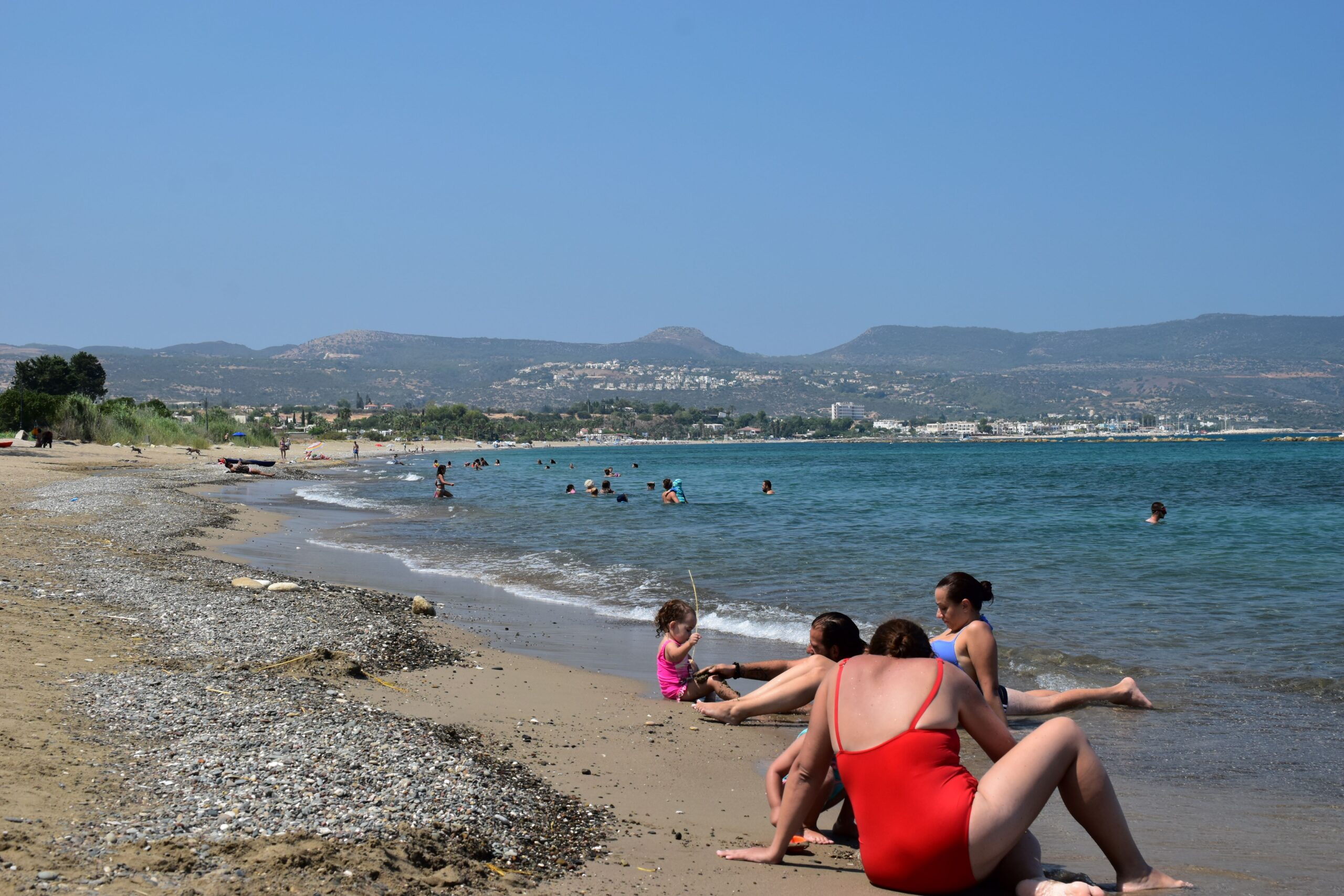
Why Cyprus Is The Ultimate Family Holiday Destination
If you’re hunting for somewhere that delivers sunshine, safe beaches and plenty to keep the kids happy without you needing a second mortgage, let me introduce you to Cyprus — the Mediterranean island that quietly ticks every family-holiday box. First things first: Cypriots absolutely adore children. Honestly, if you’ve ever felt judged for taking your kids out to a restaurant, Cyprus will feel like heaven. Staff chat to your little ones, locals smile at them, and you get this warm, relaxed atmosphere that makes parenting abroad so much easier. Then there’s the safety factor. Cyprus is one of the safest countries in Europe, and that gives you permission to breathe. You can wander the harbours in the evening, explore cute villages, and let older kids have a tiny bit more independence than you might at home. One thing UK families absolutely love? Driving on the left! It sounds small, but it makes such a difference. Hiring a car is hands-down the best way to explore, and because you’re not relearning the rules of the road, you can actually enjoy the scenery instead of stressing. And let’s not forget the weather — over 300 days of sunshine a year means you’re pretty much guaranteed a proper beach holiday. No more crossing your fingers and hoping it doesn’t rain just as you unpack your swimsuit. Add in English-speaking locals, brilliant value for money, and more family-friendly activities than you could ever fit into one trip, and you’ll understand why Cyprus is such a hit with UK families. If you’re after a destination that keeps the kids happy while still giving you that “I’m actually on holiday” feeling, Cyprus is the one. Trust me — once you’ve been, you’ll want to come back again and again.
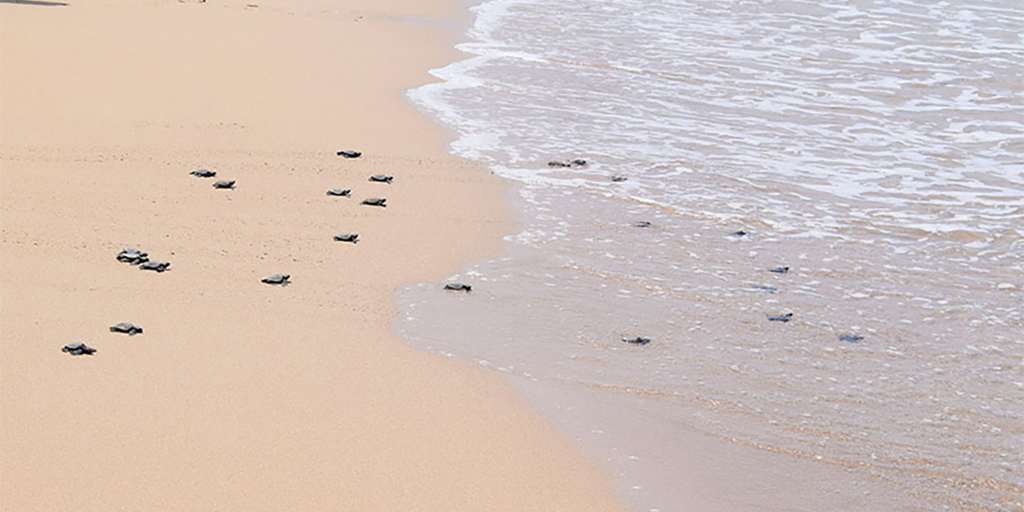
Lara Bay, Akamas, Paphos
Lara Beach is where wild Cyprus truly shines – a remote stretch of golden sand that’s protected as a nesting site for endangered loggerhead turtles. It’s a powerful reminder of how beautiful nature can be when we protect it properly. This isn’t a beach for partying – it’s a place to connect with the island’s natural heritage. CYPRUS’ TURTLE SANCTUARY You absolutely need a 4×4 vehicle to reach Lara Bay – the final stretch of road is unpaved and rough – if hiring a car check the insurance as many companies will not cover any damage on these roads. From Paphos, take the B7 to Polis then follow signs for the Akamas Peninsula – the journey takes around 1 hour 15 minutes. Alternatively, join an organised tour from Paphos or Limassol – this is the easiest way to visit if you don’t have off-road transport. Once you arrive, a small car park sits just above the beach, and you’ll need to walk down a short dirt track to reach the shore. Past information on the turtles, and sometimes even baby turtles under short term care. THE BEACH EXPERIENCE Lara Bay stretches for over a kilometre, with soft golden sand and water that ranges from pale blue to deep sapphire. Swimmers will love the clean, clear conditions, though the water can be cooler here than on more sheltered beaches. Most importantly, this is a protected area – you must stick to designated paths and avoid disturbing the sand dunes where turtles lay their eggs. Moreover, volunteer wardens patrol the beach during nesting season (May to October), and they’re always happy to share information about these incredible creatures. There are no sun loungers or umbrellas available – this is a wild beach, so come prepared with your own equipment. You’ll find basic toilet facilities near the car park, but no other amenities on the shore itself. For those who love nature, keep an eye out for migratory birds overhead and lizards scurrying across the sand dunes. FOOD & DRINK OPTIONS There are no restaurants or kiosks at Lara Beach, so you must bring all your own food and water. Pack a picnic with local favourites like tzatziki, pita bread, fresh tomatoes and cucumbers – eating with your feet in the sand is an unforgettable experience. Also, bring plenty of water – the sun is strong here, and there’s no shade apart from what you bring yourself. If you forget supplies, the nearest shops are in Polis town or Coral Bay, around 20 minutes away by car. Always bring a cooler box with ice packs to keep drinks cold – it makes all the difference on hot days. BEST TIME TO VISIT The best time to visit is outside nesting season – from November to April – when you can explore the entire beach freely. During nesting season, you will see cages protecting turtle nests – it is VERY important not to go near or disturb these nests. You may be very privileged and watch the turtles from a respectful distance, when the wardens are helping them by releasing to the sea. Also, early morning is the best time to come – you’ll avoid the heat of the day. Finally, check the weather forecast before you go – heavy rain can make the access road impassable even for 4×4s.