Why Visit Paphos Archaeological Park?
If you are staying in Paphos, this is one historic attraction that deserves a place high on your itinerary. Found right at the main seafront it is a UNESCO world heritage site, and also includes the iconic lighthouse. Spend an hour or spend 3 and you will be amazed at what you see.
What is Paphos Archaeological Park?
Paphos Archaeological Park is one of the most important archaeological sites in Cyprus, covering the remains of ancient Nea Paphos near the modern harbour. The site contains monuments dating from the Hellenistic period through to the Middle Ages, although many of its most impressive remains belong to the Roman period. It is particularly famous for the beautifully preserved mosaic floors of its Roman villas, which depict scenes from Greek mythology and everyday life. Paphos Archaeological Park forms part of the UNESCO World Heritage property of Paphos, recognised for its exceptional archaeological and cultural importance.
For visitors, the park offers an opportunity to walk through the remains of an ancient city while enjoying the Mediterranean setting of modern Kato Paphos. Rather than being a single monument, it is a large archaeological landscape containing houses, public buildings, theatres, fortifications, churches and tombs.
The History of Paphos Archaeological Park
The ancient city of Nea Paphos was established near the harbour towards the end of the 4th century BC. According to the official Cyprus tourism information, Nicocles, the last king of Palaipaphos, moved the city to the area of present-day Kato Paphos. Nea Paphos subsequently became an important political and economic centre and was the capital of Cyprus from the 2nd century BC through much of the Roman period.
The location was particularly important because of its harbour and position on the eastern Mediterranean trade routes. Over the centuries, the city developed into a substantial urban centre with wealthy private residences, public buildings and religious monuments.
The archaeological remains reveal how the city changed under Hellenistic, Roman and later Christian influence. Earthquakes, changing political circumstances and the gradual decline of the ancient city eventually transformed the landscape, but substantial remains survived beneath the ground and were progressively uncovered through archaeological excavation.
Today, the park forms one of the most important archaeological attractions in western Cyprus.
The Roman Mosaics
The mosaics are undoubtedly the highlight of Paphos Archaeological Park.
Four Roman villas – the House of Dionysus, House of Theseus, House of Aion and House of Orpheus – contain some of the site’s most impressive floors. The mosaics use intricate geometric patterns and colourful scenes to depict gods, heroes, mythological stories, animals and scenes from ancient life.
The House of Dionysus is particularly famous. Its mosaics include scenes connected with Dionysus, the Greek god of wine, as well as stories from Greek mythology.
The House of Theseus is another major attraction, named after a mosaic depicting the mythological hero Theseus. The scale of the villa provides an insight into the wealth and lifestyle of the people who lived in ancient Paphos.
What makes these mosaics especially interesting is that they are not simply decorative. They provide clues about the stories, beliefs, artistic traditions and daily life of the people who lived in the city nearly two thousand years ago.
The Ancient Theatre
The park also contains the remains of the ancient Odeon, a small stone theatre that was used for musical and theatrical performances.
The Odeon is one of the more complete ancient structures within the archaeological park and remains an atmospheric place to visit. Its curved seating and stage area give visitors an idea of how public performances would have taken place in ancient Paphos.
Nearby are the remains of the Agora, which formed an important public space in the ancient city.
Saranta Kolones
Another fascinating part of the site is Saranta Kolones, or the Castle of Forty Columns.
The fortress takes its name from the numerous granite columns that were incorporated into its construction. Although the medieval castle is now largely ruined, its remains demonstrate the continuing importance of Paphos long after the Roman period.
Walking among the fallen columns, walls and arches gives the site a different character from the Roman villas and mosaics.
Early Christian Paphos
Paphos Archaeological Park is not solely an ancient Greek and Roman site. The remains also demonstrate the development of Christianity on the island.
The ruins of the Limeniotissa Basilica are evidence of the city’s early Christian period. The large basilica was decorated with mosaics and formed part of the developing Christian community in Paphos.
Other remains around the park show how the city continued to evolve as religious and political circumstances changed.
A UNESCO World Heritage Site
Paphos was added to the UNESCO World Heritage List in 1980. The UNESCO property includes the archaeological remains of Kato Paphos as well as Palaipaphos at nearby Kouklia. Together, the sites demonstrate the importance of Paphos from antiquity onwards and its long association with the worship of Aphrodite.
UNESCO specifically highlights the area’s villas, theatres, fortifications, tombs and exceptional mosaics. The mosaics of Nea Paphos are regarded as particularly significant examples of ancient art.
Visiting Paphos Archaeological Park
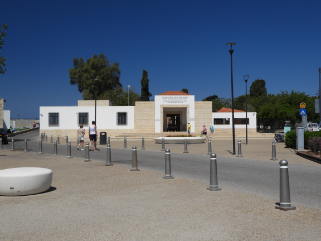
The archaeological park is close to Paphos harbour, making it easy to combine with a visit to the seafront and other attractions in Kato Paphos.
Allow at least a couple of hours if you want to explore the main remains properly. The site is extensive, and there is plenty to see beyond the headline mosaics.
The Cyprus tourism authorities currently list the site as open throughout the year, with seasonal opening hours. Opening times and admission prices can change, so it is worth checking the latest information before visiting.
Why Visit Paphos Archaeological Park?
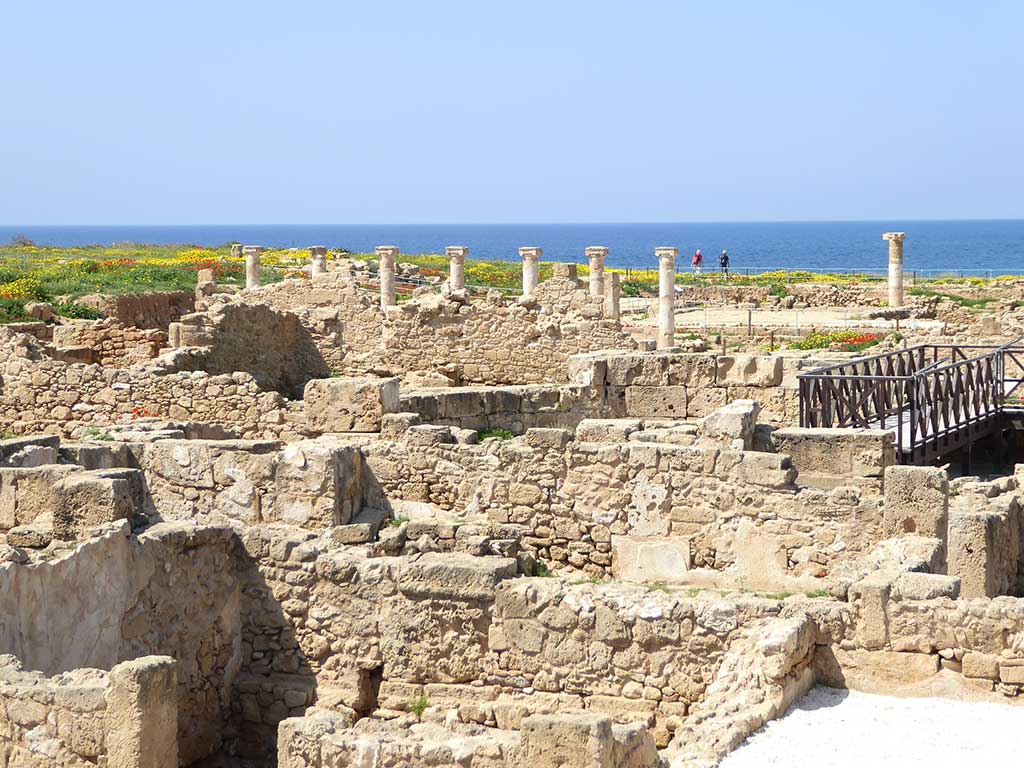
Paphos Archaeological Park is one of those places where the history is easy to visualise. Walking between the remains of ancient villas, standing beside beautifully preserved mosaics and looking towards the Mediterranean gives a real sense of the scale and importance of ancient Paphos.
It is also an attraction that works well for different types of visitors. History enthusiasts can spend hours studying the archaeology, while casual visitors can focus on the mosaics, theatre and atmosphere.
If you are staying in Paphos, this is one historic attraction that deserves a place high on your itinerary.
Paphos Archaeological Park is one of those places where the history is easy to visualise. Walking between the remains of ancient villas, standing beside beautifully preserved mosaics and looking towards the Mediterranean gives a real sense of the scale and importance of ancient Paphos.
It is also an attraction that works well for different types of visitors. History enthusiasts can spend hours studying the archaeology, while casual visitors can focus on the mosaics, theatre and atmosphere.