
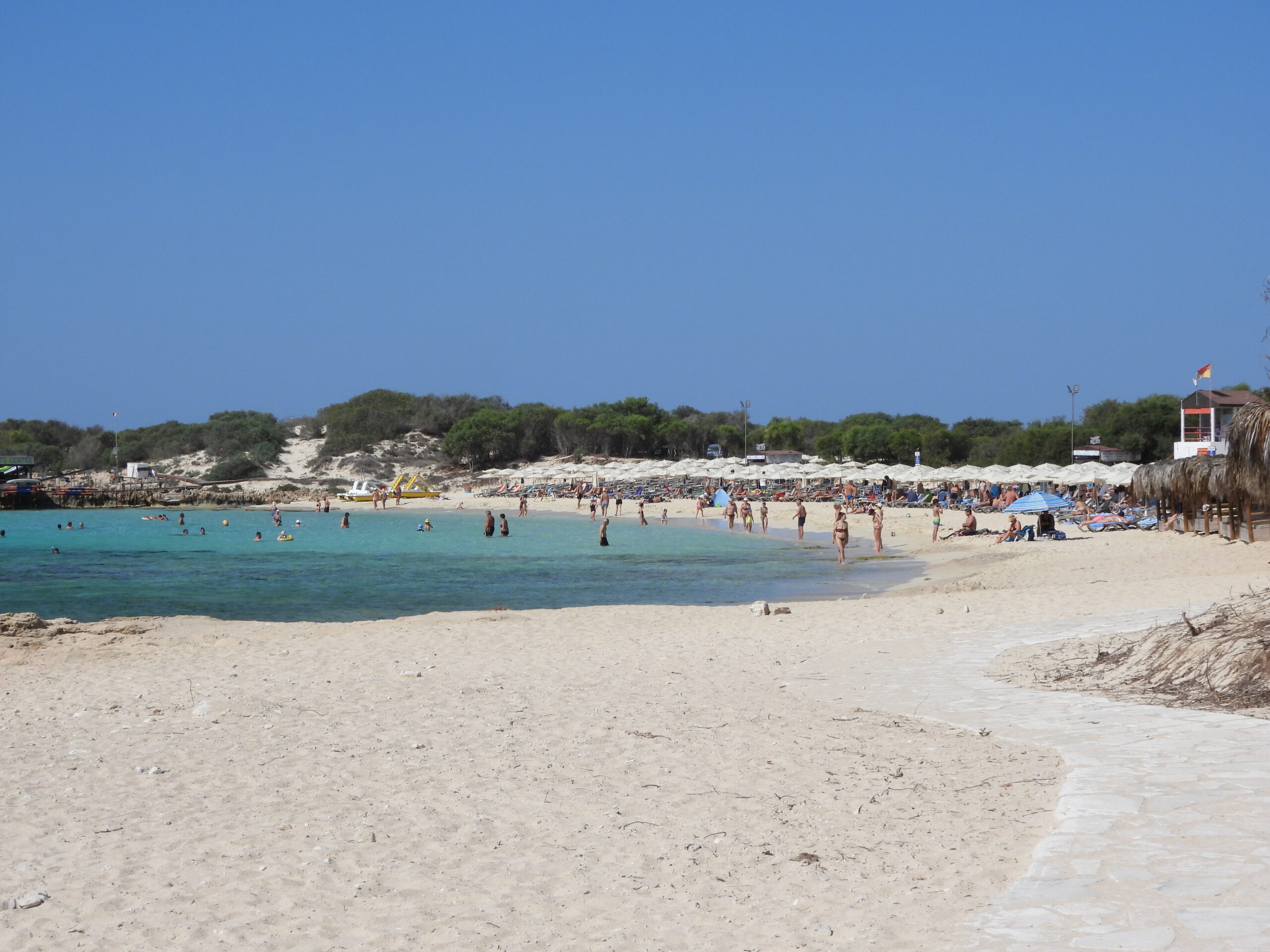
Makronissos Beach offers the perfect mix of sun, sea and history – a beautiful stretch of coast where you can swim in clear waters then explore ancient burial sites just steps from the sand. HISTORY MEETS SUNSHINE We’ve been coming here for years, and it’s become one of our go-to spots when we want to escape the busiest parts of Ayia Napa. HOW TO GET THERE Getting to Makronissos Beach is simple whether you’re driving or using public transport. From Ayia Napa town centre, take the Ayia Napa-Protaras road – the beach is just 2 kilometres away, and you’ll see clear signs. From Paphos, allow 2 hours via the A1 motorway. Public buses run regularly from Ayia Napa and Protaras, with a stop right at the beach entrance. When you arrive, there’s a large free car park just behind the shore, so you’ll never struggle to find a space even on busy days. THE BEACH EXPERIENCE Makronissos Beach spans nearly two kilometres, with fine golden sand and calm, shallow waters that are perfect for families. The beach is split into two sections – the northern end is more developed with facilities, while the southern end is quieter and wilder. Most notably, ancient rock-cut tombs dating back to the Hellenistic period sit right behind the beach – you can walk among them for free and imagine what life was like here thousands of years ago. Lifeguards are on duty during summer months, and the beach holds Blue Flag status. You can rent sun loungers, umbrellas and water sports equipment like kayaks and stand-up paddleboards. Moreover, there are clean changing rooms, toilets and outdoor showers available. For those who want to stay active, the coastal path that runs along the beach is great for walking or cycling, and you’ll find several exercise stations along the way. FOOD & DRINK OPTIONS The beach has several excellent food options to suit all tastes and budgets. Try the beachfront tavernas for traditional Cypriot dishes like stifado (beef stew) or sheftalia (grilled sausage). For quicker bites, kiosks serve fresh pizza, burgers and ice cream – we love their homemade lemon sorbet, which is perfect for cooling down on hot days. Furthermore, many places offer beach service, so you can order drinks and snacks without leaving your lounger. Don’t miss trying the local zivania spirit – it’s strong, but it pairs well with fresh seafood. If you want to cook your own food, there are barbecue areas available near the car park – just remember to clean up after yourself. BEST TIME TO VISIT We think late April to early May is ideal – temperatures are warm enough for swimming, and the archaeological sites are less crowded. During summer, the beach gets busy but never overcrowded like nearby Nissi Beach. Also, check the local events calendar – the Makronissos Cultural Festival takes place every June, with live music, traditional dancing and food stalls. Finally, visit in the late afternoon if you want to explore the ancient tombs in cooler weather – the low sun makes the stone carvings look even more impressive.
Why Cyprus Is The Ultimate Family Holiday Destination
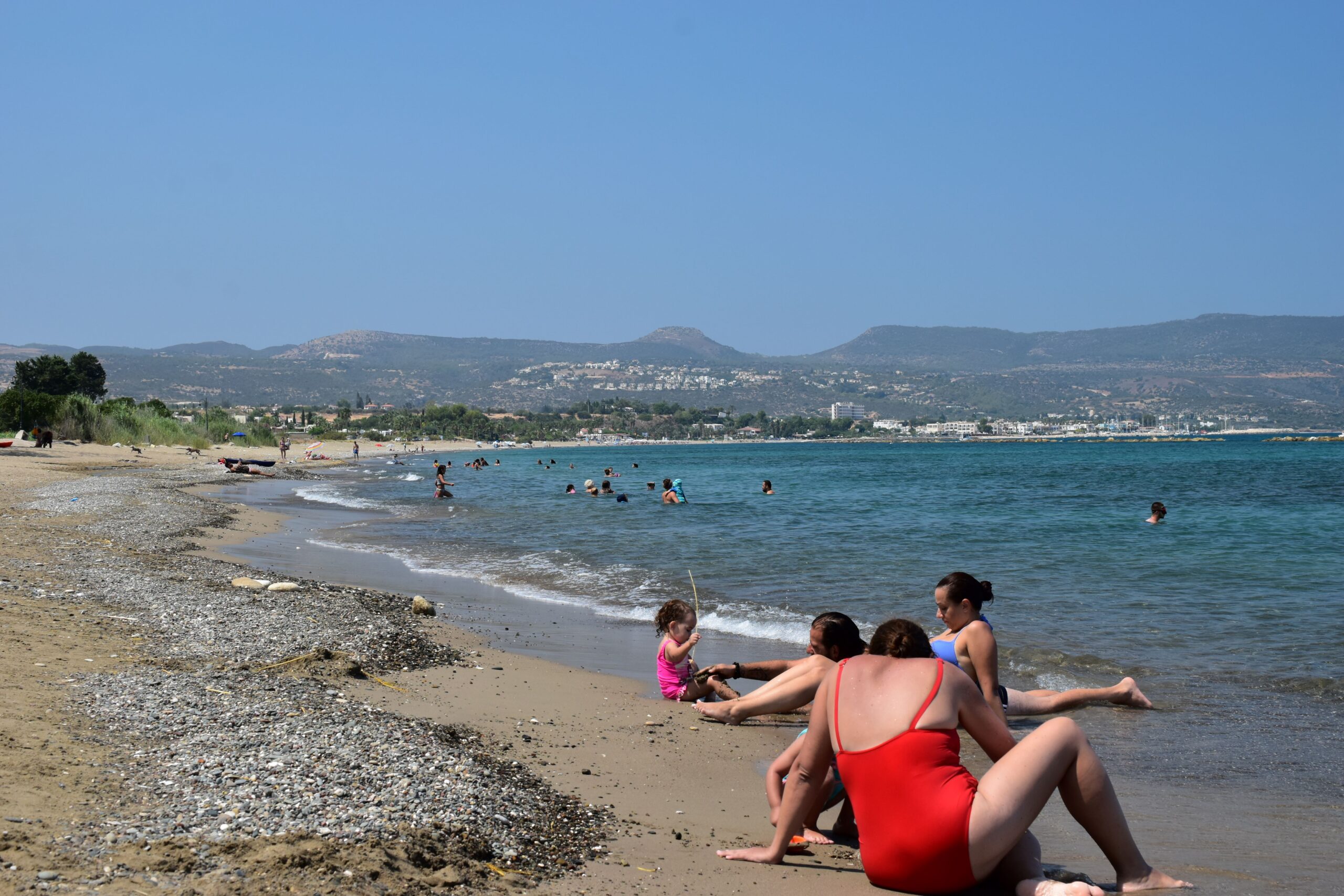
If you’re hunting for somewhere that delivers sunshine, safe beaches and plenty to keep the kids happy without you needing a second mortgage, let me introduce you to Cyprus — the Mediterranean island that quietly ticks every family-holiday box. First things first: Cypriots absolutely adore children. Honestly, if you’ve ever felt judged for taking your kids out to a restaurant, Cyprus will feel like heaven. Staff chat to your little ones, locals smile at them, and you get this warm, relaxed atmosphere that makes parenting abroad so much easier. Then there’s the safety factor. Cyprus is one of the safest countries in Europe, and that gives you permission to breathe. You can wander the harbours in the evening, explore cute villages, and let older kids have a tiny bit more independence than you might at home. One thing UK families absolutely love? Driving on the left! It sounds small, but it makes such a difference. Hiring a car is hands-down the best way to explore, and because you’re not relearning the rules of the road, you can actually enjoy the scenery instead of stressing. And let’s not forget the weather — over 300 days of sunshine a year means you’re pretty much guaranteed a proper beach holiday. No more crossing your fingers and hoping it doesn’t rain just as you unpack your swimsuit. Add in English-speaking locals, brilliant value for money, and more family-friendly activities than you could ever fit into one trip, and you’ll understand why Cyprus is such a hit with UK families. If you’re after a destination that keeps the kids happy while still giving you that “I’m actually on holiday” feeling, Cyprus is the one. Trust me — once you’ve been, you’ll want to come back again and again.
UNESCO Archaelogical Park Paphos
Discover Paphos Archaeological Park, a UNESCO World Heritage Site filled with ancient ruins, stunning Roman mosaics and breathtaking sea views—one of the top things to do in Paphos. Explore Paphos Archaeological Park: A UNESCO Treasure by the Sea If you’re planning a trip to Cyprus and searching for the best things to do in Paphos, the Paphos Archaeological Park should be right at the top of your list. This UNESCO World Heritage Site is one of the most impressive ancient attractions in Cyprus—packed with Roman villas, stunning mosaics and stories that go back thousands of years. And the best part? It’s right at the heart of the harbour area. Step Into Ancient Cyprus The first thing you notice at the Archaeological Park is the sheer size of it. You can spend hours wandering through open spaces, ruins and pathways that feel like a massive outdoor museum. The park brings ancient Cyprus to life in a way that’s easy to explore and surprisingly relaxed. Don’t Miss the Famous Mosaics The real showstoppers here are the mosaics. These colourful, detailed floors once decorated luxurious Roman villas and are still beautifully preserved today. Make sure you visit the House of Dionysos, House of Theseus and House of Aion—each one filled with mythological scenes, heroic battles and gods that look like they were crafted yesterday. If you’re into photography or history, you’ll be in heaven. Wander Through Iconic Ruins Beyond the mosaics, the park is full of ancient pillars, theatres and tombs that make you feel like you’ve stepped into another era. It’s a brilliant choice for families, couples and solo travellers looking for a mix of culture, sunshine and proper Cyprus history. If you’re searching for Paphos attractions, ancient sites in Cyprus or things to do near Paphos Harbour, this place ticks every box. A Must-Visit on Your Paphos Holiday Whether you love archaeology or just enjoy a good wander, Paphos Archaeological Park is one of those unmissable spots that genuinely enrich your trip. Make sure it’s on your itinerary—you’ll leave with great photos and an even better appreciation for Cyprus’ past.
Lara Bay, Akamas, Paphos
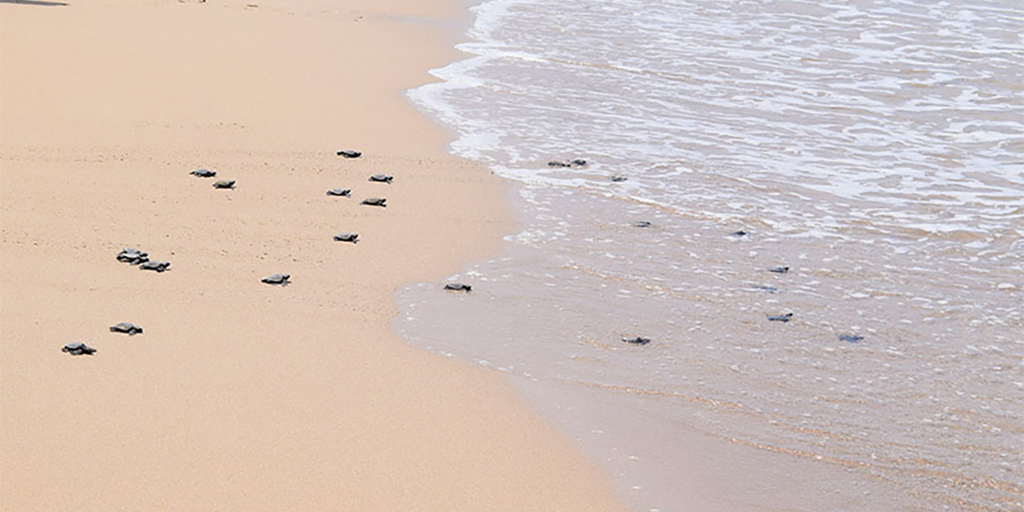
Lara Beach is where wild Cyprus truly shines – a remote stretch of golden sand that’s protected as a nesting site for endangered loggerhead turtles. It’s a powerful reminder of how beautiful nature can be when we protect it properly. This isn’t a beach for partying – it’s a place to connect with the island’s natural heritage. CYPRUS’ TURTLE SANCTUARY You absolutely need a 4×4 vehicle to reach Lara Bay – the final stretch of road is unpaved and rough – if hiring a car check the insurance as many companies will not cover any damage on these roads. From Paphos, take the B7 to Polis then follow signs for the Akamas Peninsula – the journey takes around 1 hour 15 minutes. Alternatively, join an organised tour from Paphos or Limassol – this is the easiest way to visit if you don’t have off-road transport. Once you arrive, a small car park sits just above the beach, and you’ll need to walk down a short dirt track to reach the shore. Past information on the turtles, and sometimes even baby turtles under short term care. THE BEACH EXPERIENCE Lara Bay stretches for over a kilometre, with soft golden sand and water that ranges from pale blue to deep sapphire. Swimmers will love the clean, clear conditions, though the water can be cooler here than on more sheltered beaches. Most importantly, this is a protected area – you must stick to designated paths and avoid disturbing the sand dunes where turtles lay their eggs. Moreover, volunteer wardens patrol the beach during nesting season (May to October), and they’re always happy to share information about these incredible creatures. There are no sun loungers or umbrellas available – this is a wild beach, so come prepared with your own equipment. You’ll find basic toilet facilities near the car park, but no other amenities on the shore itself. For those who love nature, keep an eye out for migratory birds overhead and lizards scurrying across the sand dunes. FOOD & DRINK OPTIONS There are no restaurants or kiosks at Lara Beach, so you must bring all your own food and water. Pack a picnic with local favourites like tzatziki, pita bread, fresh tomatoes and cucumbers – eating with your feet in the sand is an unforgettable experience. Also, bring plenty of water – the sun is strong here, and there’s no shade apart from what you bring yourself. If you forget supplies, the nearest shops are in Polis town or Coral Bay, around 20 minutes away by car. Always bring a cooler box with ice packs to keep drinks cold – it makes all the difference on hot days. BEST TIME TO VISIT The best time to visit is outside nesting season – from November to April – when you can explore the entire beach freely. During nesting season, you will see cages protecting turtle nests – it is VERY important not to go near or disturb these nests. You may be very privileged and watch the turtles from a respectful distance, when the wardens are helping them by releasing to the sea. Also, early morning is the best time to come – you’ll avoid the heat of the day. Finally, check the weather forecast before you go – heavy rain can make the access road impassable even for 4×4s.